Understanding the YouTube Algorithm: A Deep Dive
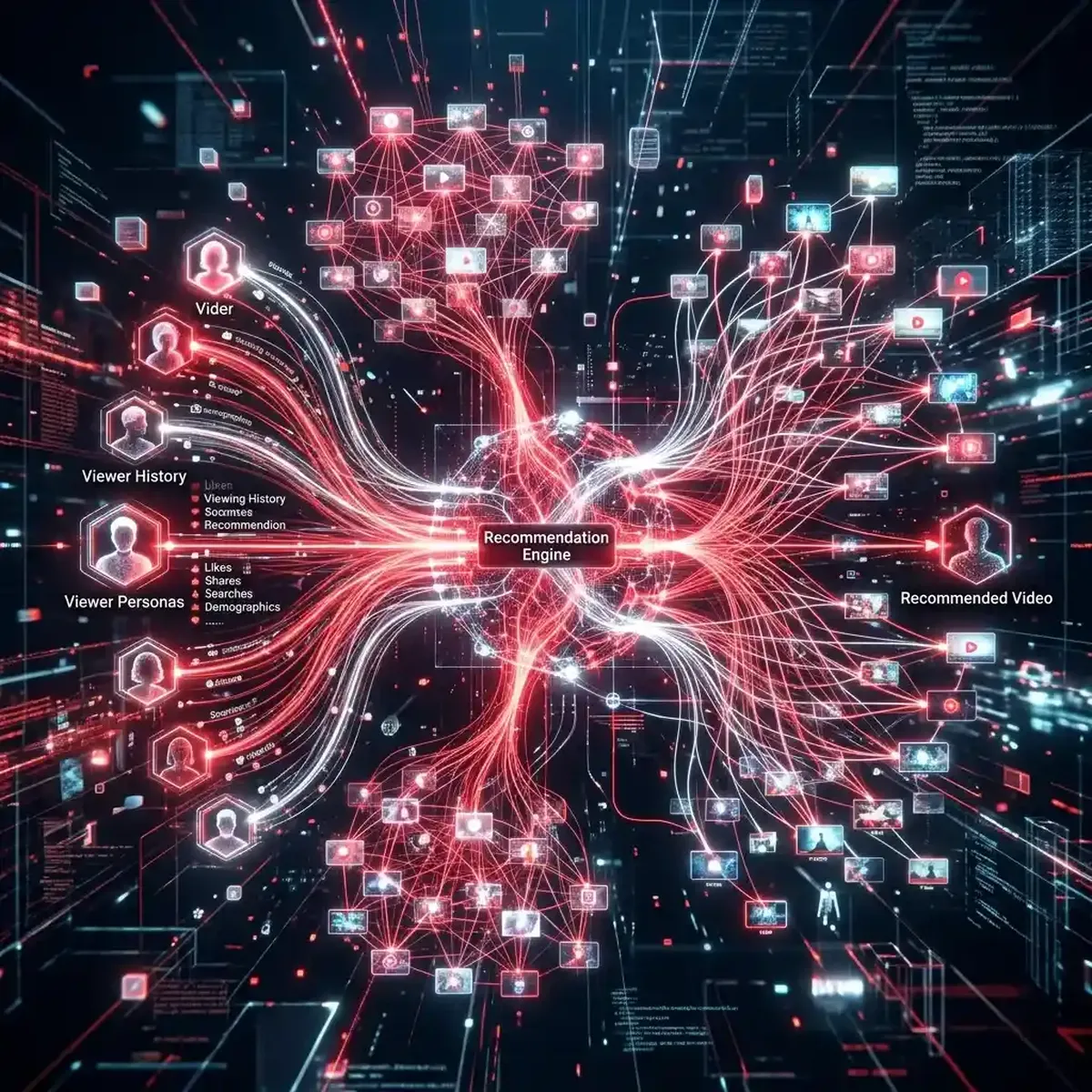
In the hyper-personalized digital landscape of 2026, the YouTube algorithm is no longer a simple "search and suggest" system—it is a sophisticated neural network designed to achieve "Contextual Satisfaction."
The algorithmic revolution of the mid-2020s has shifted the platform's primary goal from maximizing "Total Watch Time" to maximizing "True User Utility." For the modern creator, understanding this shift is the difference between viral success and digital obscurity. The algorithm now analyzes millions of data points per second, from the semantic depth of your video's transcript to the micro-gestures of viewer engagement, to determine if your content truly delivers on its promise. This deep-dive guide explores the science of high-velocity retention and examines how you can align your content strategy with the most powerful discovery engine in human history.
The Satisfaction Score: Beyond Watch-Time to Deep Sentiment Analysis
While "Total Watch Time" was the undisputed king of metrics in 2022, the 2026 algorithm has moved toward a more nuanced "Satisfaction Score." This score evaluates not just how *long* a user stayed, but *how* they felt during their stay. YouTube’s internal AI now uses sentiment analysis of comments, "Like" velocity, and survey-based feedback (e.g., "Was this video worth your time?") to determine a video's rank in the discovery feed. A video with high watch time but negative sentiment or low "Net Value" will quickly be suppressed by the system.
To maximize your Satisfaction Score, focus on "Authenticity" and "Utility." Every minute of your video should provide a tangible benefit—whether it’s a specific piece of information, a unique perspective, or a high-quality emotional experience. The algorithm is particularly sensitive to "Value-Density." If your video features 5 minutes of filler for a 30-second solution, the neural network will likely penalize your "Efficiency Rating," favoring a creator who delivers the same value in a more concise and engaging format. Success today is about respect for the viewer's time. High-retention watch time is a byproduct of high-density value delivery.
The Collaborative Discovery Engine: How Multi-Screen Watching Influences Your Reach
One of the most significant algorithmic shifts today is the emergence of "Collaborative Discovery." This refers to how the algorithm processes the experience of users who watch multiple videos simultaneously (often on multi-screen dashboards like YoutubeMulti). If a user watches your video alongside their favorite news feed or a live market-tracking dashboard, the algorithm notes the "Complementary Relevance" of your content. It understands that your video provided the "Contextual Intelligence" that made the primary event more meaningful.
This has opened a massive opportunity for the "Strategic Complementary Creator." By designing your content to be consumed alongside other high-velocity data sources (e.g., live sports, financial news, or gaming tournaments), you tap into the most engaged and high-value demographic on the platform. The algorithm sees your video as a vital component of a "Knowledge Ecosystem," and it begins to suggest your content to other users who are monitoring the same events. This "Co-Monitoring" discovery path is currently one of the fastest-growing traffic sources on YouTube. Being the "Analytic Second-Screen" is a high-authority position that drives significant reaches and high premium CPMs.
Algorithmic Bubbles vs. Intentional Discovery: Navigating the Feed
The "narrow perspective" problem of early social media has been addressed today by an algorithmic pivot toward "Intentional Discovery." While the system still suggests content based on past history, it now systematically injects "Novel Perspective" into the user's feed to ensure they are exposed to diverse viewpoints and new skills. This "Discovery Injection" is triggered when a user engages with high-authority, technical, or educational content. For the creator, this means that your technically focused, high-value videos have a chance to reach a broader, more diverse audience than ever before.
The key to capitalising on "Discovery Injection" is "Semantic Specificity." Your metadata—titles, descriptions, and transcripts—must be incredibly clear about the specific technical value you provide. If the algorithm understands exactly which "Skill" or "Insight" you are offering, it will inject your video into the feeds of users who have recently shown an interest in that specific area, even if they have never watched your channel before. This is how a technical guide on "Multitube Playback Optimization" can reach a broad tech-savvy audience. The algorithm is now an active matchmaker between "The Expert" and "The Seeker."
High-Retention Visual Hooking: The First 3 Seconds and Beyond
Despite the complexity of the neural network, the initial "Hook" remains a psychological necessity. In 2026, the first 3 seconds of your video are the "Pre-Flight Check." The algorithm is looking for an immediate "Engagement Signal." If a significant percentage of users drop after the first few seconds, the video's "Recommendation Velocity" will be throttled. However, "Hooking" today is less about clickbait and more about "Immediate Contextual Alignment."
Your "Visual Hook" should immediately confirm to the viewer that they are in the right place. Use high-contrast, clear visuals that represent the solution you promised in your thumbnail. For a technical guide, showing the "final result" or the "Master Dashboard" in the first 3 seconds provides the "Visual Proof" that encourages the viewer to stay for the explanation. This "Show, then Tell" strategy is the most effective way to win the 2026 battle for attention. The faster you confirm the value proposition, the higher your retention multiplier. It's about establishing trust in the blink of an eye.
The Future of Personalized Feeds: AI Agents and Narrative Prediction
As we look toward 2027, the YouTube algorithm is evolving into a "Predictive Narrative Engine." We are moving toward a world where AI agents will curate "Personalized Knowledge Paths" for users, suggesting a sequence of videos from different creators that build upon each other to teach a skill or explain a complex global event. Success in this future environment requires moving beyond the "one-off video" mindset. You must position your channel as a "Critical Node" in a broader learning or entertainment narrative.
Using YoutubeMulti to Compare Your Retention Hooks Against Competitors
Integrating high-performance monitoring into your creator workflow is essential for algorithmic alignment. To understand why the algorithm might be favoring a competitor, you must be able to analyze their "Engagement Strategy" in real-time. Imagine a "Competitor Intelligence Grid" using YoutubeMulti Pro:
- Tile 1: Your Latest Video: High-definition playback to monitor the exact visual flow and pacing.
- Tile 2: Top-Ranking Competitor: Observe their "First 3-Second Hook" and "Value-Delivery Pacing" side-by-side with yours.
- Tile 3: Live Analytics Dashboard: Monitor your "Real-Time Retention" and "CTR" to see immediate audience reactions.
- Tile 4: Niche News Feed: Stay informed about the latest platform updates and creator trends to anticipate the next algorithmic shift.
Conclusion: Final Thoughts on Algorithmic Alignment
The 2026 YouTube algorithm is a rewarding but demanding partner. It values efficiency, density, sentiment, and contextual utility. By aligning your content strategy with the principles of high-velocity retention and utilizing advanced tools like YoutubeMulti to monitor your performance, you can ensure that you are always at the center of the algorithmic discovery curve. Don't fight the algorithm—understand its goals, deliver extreme value, and build your productivity workflow in the multi-stream future. Total multitasking efficiency is the only path to sustainable success.